



 Book Appointment

 WhatsApp us

Surgical extraction
Removal of a tooth that is difficult to extract, such as one that has not fully erupted.
 ORAL SURGERY
Assessment and minor surgical care for problems affecting the teeth, gums or jaw, carried out with your comfort in mind.
Shah Alam & USJ Subang
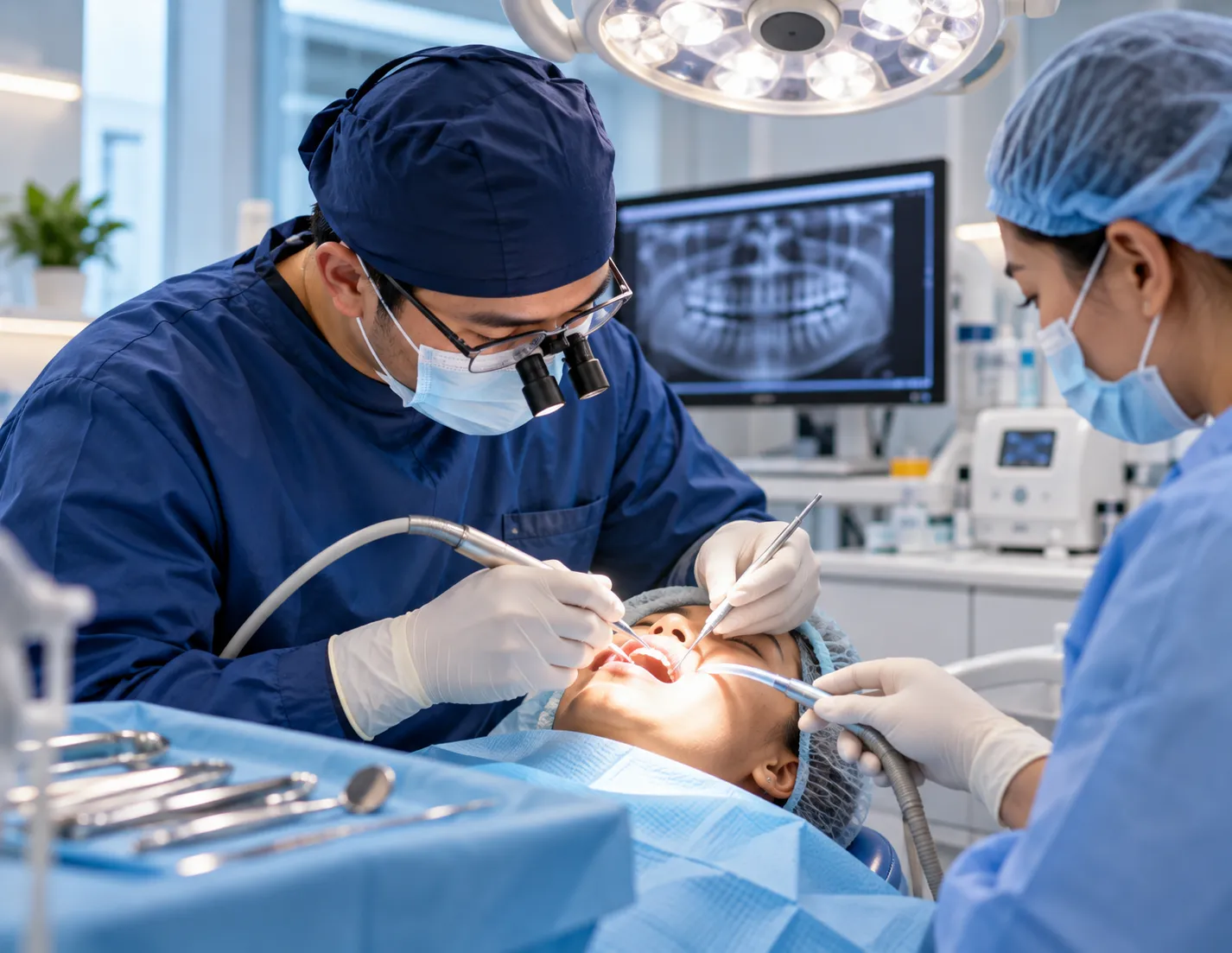
 Careful assessment first Your dentist explains each step before treatment.

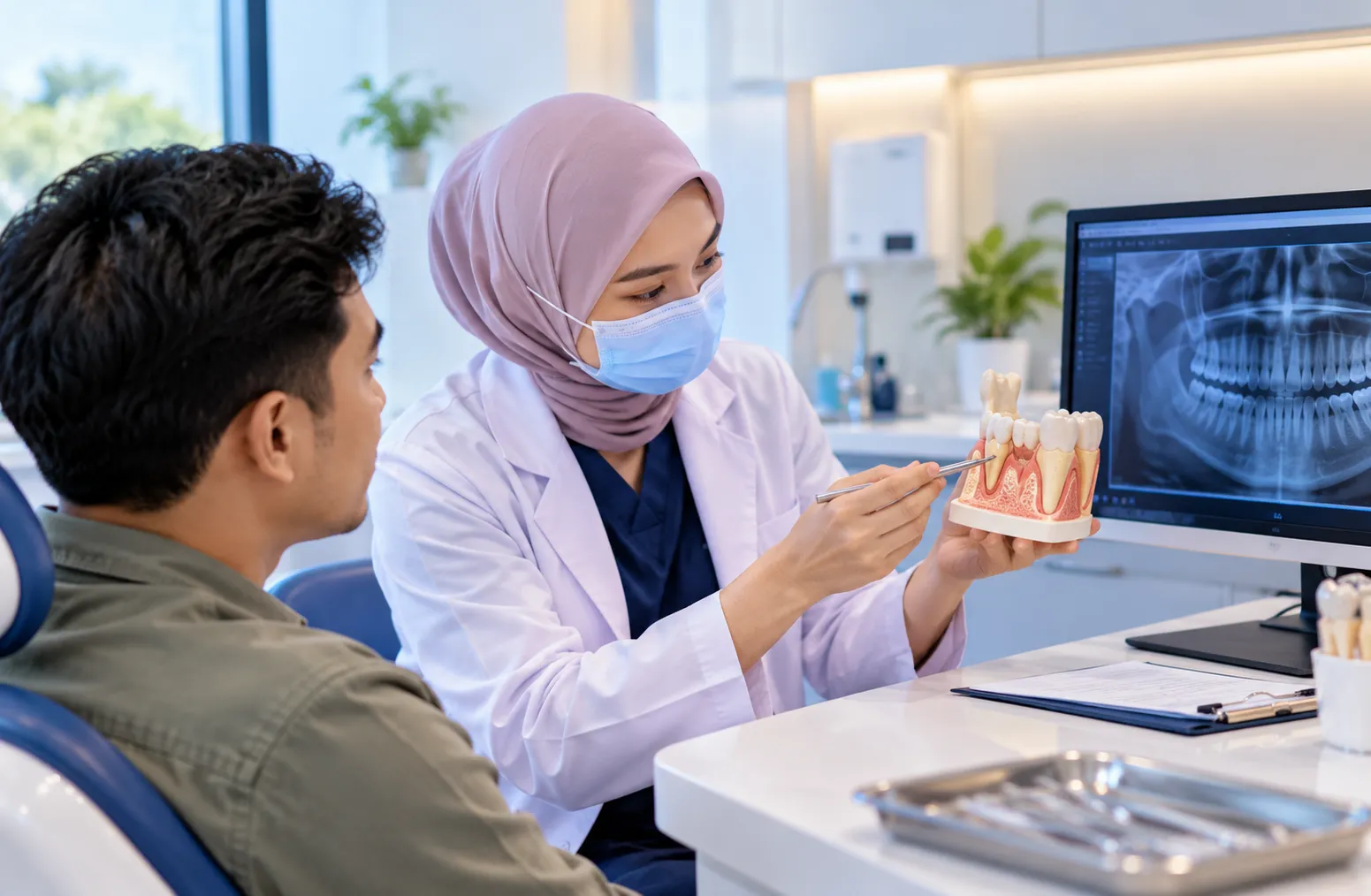
About minor oral surgery
Minor oral surgery covers procedures that treat problems affecting the teeth, gums or jaw, where a surgical approach is needed. Examples include removing a tooth that cannot be treated another way, or treating certain gum and jaw conditions.
Each procedure is planned after an assessment, so you know what to expect before you decide.
Local anaesthesia is used to keep you comfortable during minor oral surgery.
Procedures
Removal of a tooth that is difficult to extract, such as one that has not fully erupted.
Removal of wisdom teeth that are impacted or causing problems.
Assessment and removal of small lesions in the mouth, with a sample sent for examination when needed.
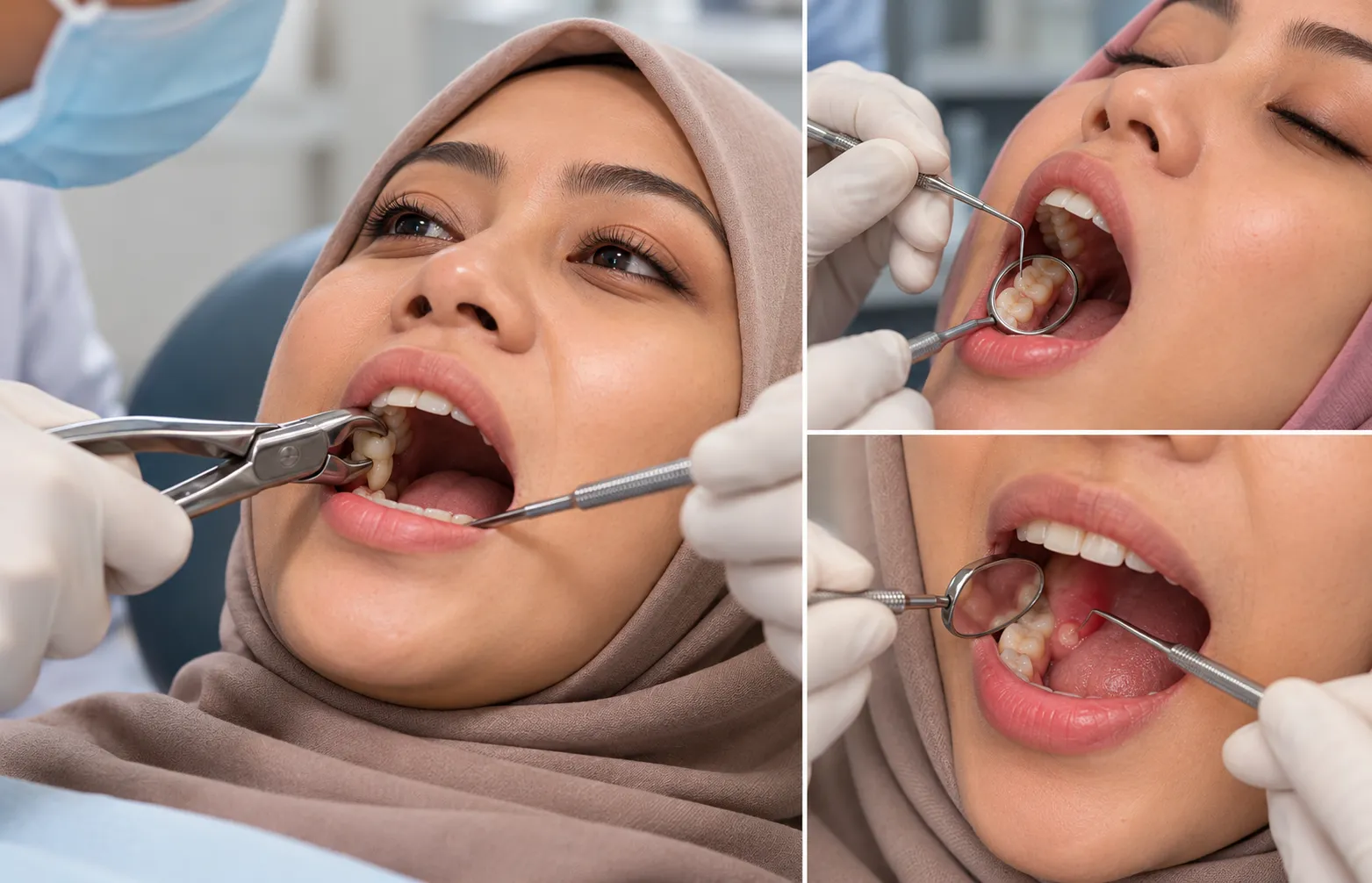
When it may be needed
Teeth that cannot erupt properly.
Problems in the jaw or gums that need surgical treatment.
Damage to the teeth, gums or jaw that needs surgical care.
Some problems must be treated before other dental treatment, such as implants.
Comfort and aftercare
Your dentist will tell you what to watch for and when to contact the clinic.
 Local anaesthesia is used, so you should not feel pain during the procedure. Mild swelling, discomfort and some bleeding are common for a short time. Follow the aftercare instructions carefully to help healing.
Your journey
An examination, X-rays or scans check the problem and plan the procedure.
We explain the procedure, risks and aftercare, and answer your questions.
The procedure is carried out under local anaesthesia, with your comfort monitored throughout.
We give you aftercare instructions and check on your healing.
Our dentists
Our dentists, including Dr. Navasheilla Retna, Dr. Thurka, Dr. Roshini and Dr. Dhinaadhevy, plan and carry out minor oral surgery with care.
Children are assessed with a parent or guardian.
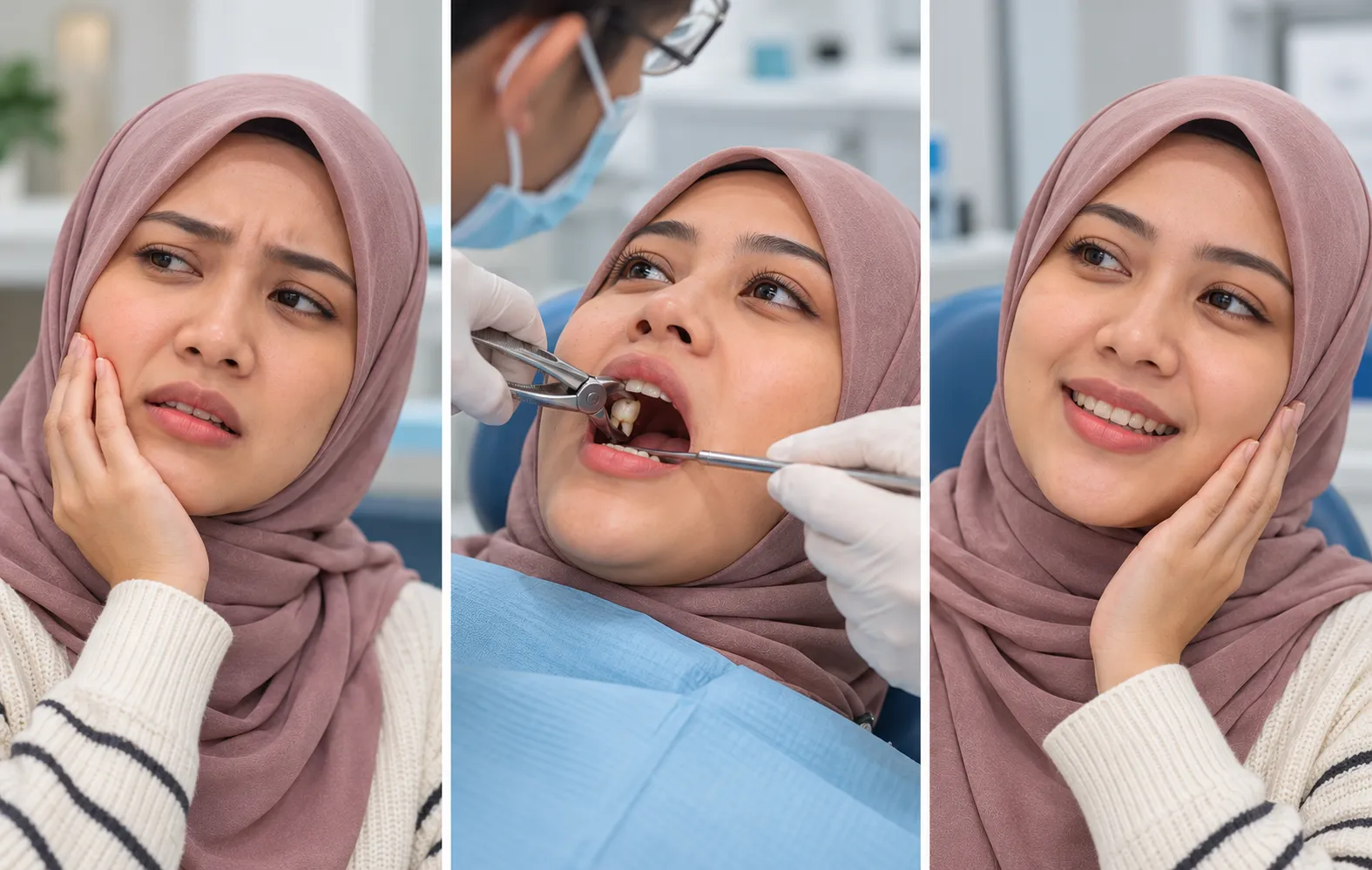
In our patients’ words

“My son has been suffering with a persistent mucocele for some months. It resulted in a minor surgery, which was done with utmost care, skill and explanation every step of the way.”
Kalpana Balakrishnam · Google review
Close to home
Speak to our team about minor oral surgery availability and the right location for your consultation.
Clinic 01
17A (First Floor), Jalan Panglima Hitam M35/M, Alam Impian, 40470 Shah Alam, Selangor
 +60 11 6749 8964
 Today · 9am–6pm
Clinic 02
No 3-1 (Ground Floor), Jalan Merpati Seksyen 26, UEP Subang Jaya, 47650 Subang, Selangor
 +60 10 351 0788
 Today · 9am–6pm
Local anaesthesia is used, so you should not feel pain during the procedure. Some discomfort afterwards is normal.
Possible risks include infection, bleeding or slow healing. Following the aftercare instructions lowers these risks.
Recovery varies by procedure and patient. Your dentist will explain what to expect.
Your dentist will tell you if any further tests or specialist care are needed.
Ready when you are
Send us your details and our friendly team will contact you to confirm the best appointment time.
 Prefer WhatsApp? Message us now