



 Book Appointment
Space maintainers
Prevent neighbouring teeth from shifting into open gaps left by prematurely lost teeth.
 EARLY ORTHODONTIC CARE
Early dental care for children, identifying and addressing dental and jaw irregularities while teeth and bones are still developing, so your child's smile grows straight and healthy.

 WhatsApp us

Alam Impian, Shah Alam
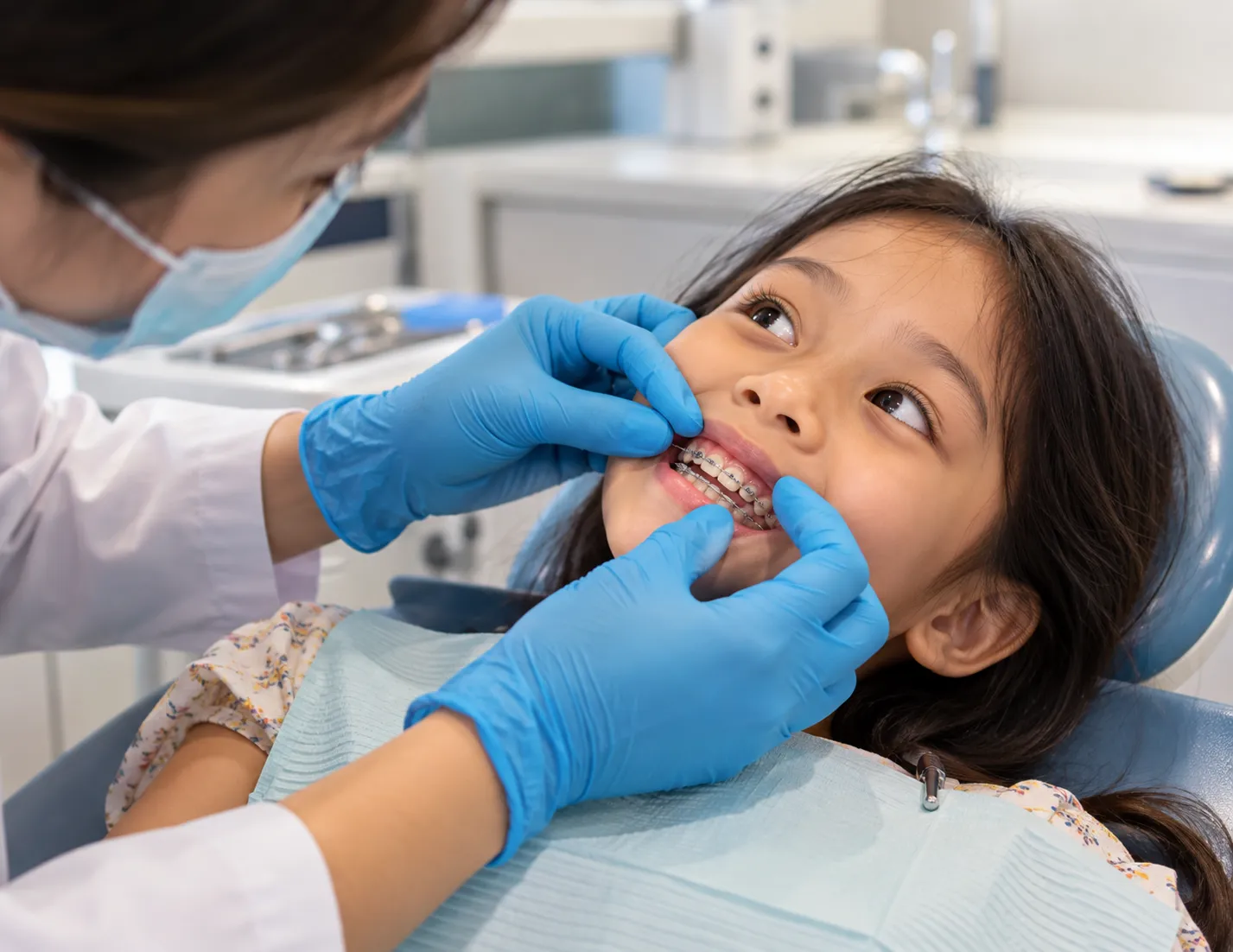
 Spot issues early The first orthodontic evaluation is recommended by age 7.

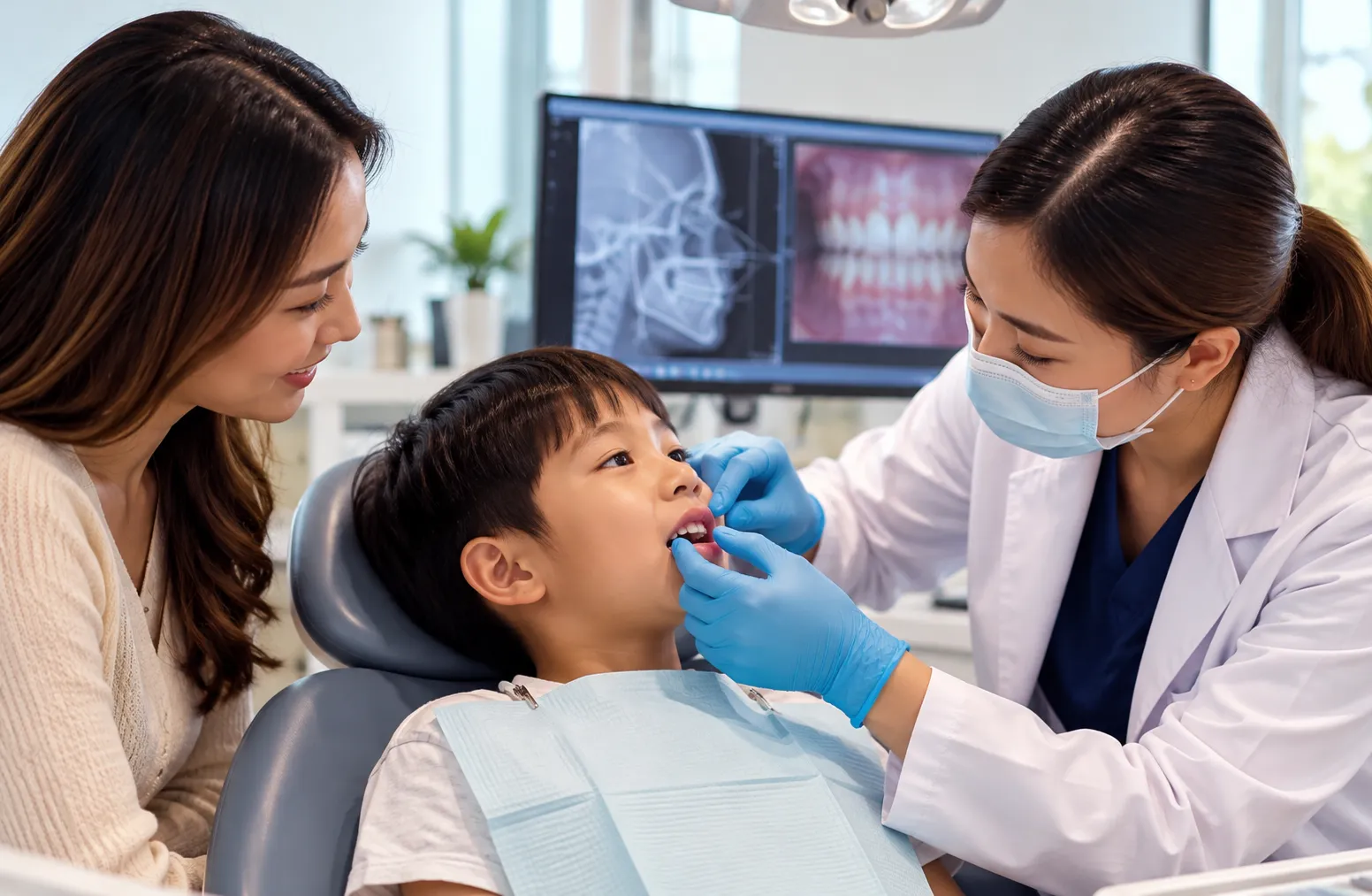
Preventive & interceptive orthodontics
Addressing dental issues early can prevent more complex problems later. Interceptive orthodontic treatment focuses on identifying and addressing dental and jaw irregularities while teeth and bones are still developing, unlike traditional braces, which are applied after all permanent teeth have erupted.
By guiding jaw development and correcting misalignments early, interceptive orthodontics can prevent more invasive treatments in the future.
The American Association of Orthodontists recommends a first orthodontic evaluation by age 7.
Types of treatment
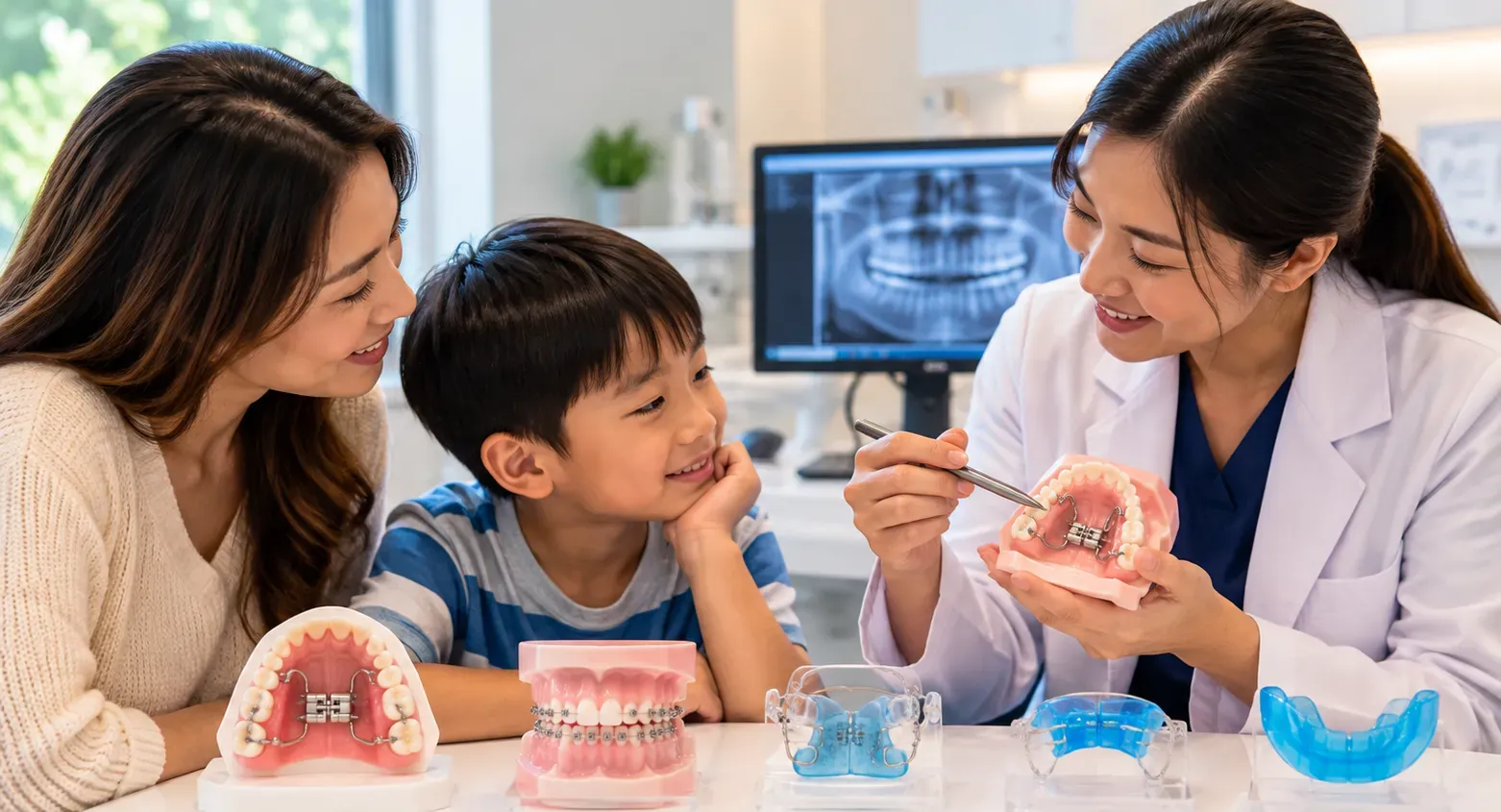
Prevent neighbouring teeth from shifting into open gaps left by prematurely lost teeth.
Stop thumb-sucking or tongue-thrusting habits effectively from causing long-term dental misalignment issues.
Removable devices that train jaw muscles and guide proper development of facial structure.
Benefits
Spots potential issues like crowded teeth, overbites or underbites early, minimising long-term complications.
Helps align the growing jaw properly, ensuring better facial symmetry, bite alignment, and everyday function.
Early intervention successfully reduces the need for complex tooth extractions or major jaw surgery later in life.
Building a healthier, straighter smile from a young age significantly improves self-esteem and positive social interactions.
HOW IT WORKS
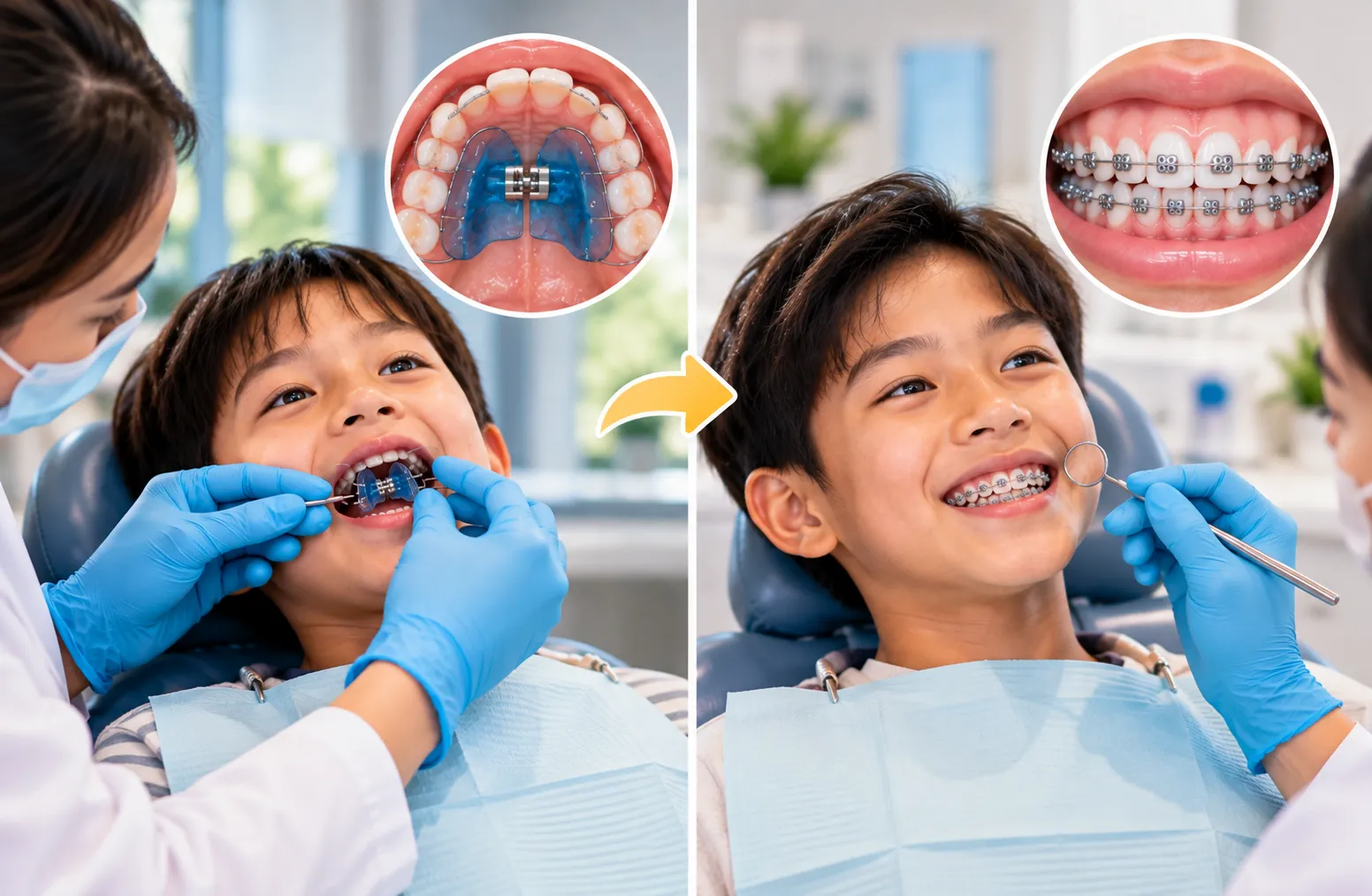
 Phase 1 (Early Intervention): Begins while your child has a mix of baby and permanent teeth, and usually lasts 6–12 months. Phase 2 (Comprehensive Orthodontics): Once all permanent teeth have erupted, braces or aligners may be used to perfect the smile.
Common signs your child may need interceptive treatment include the early or late loss of baby teeth, difficulty chewing or biting, crowded or misplaced teeth, jaw shifting or making sounds, and an overbite, underbite, or crossbite.
EXPERT CARE
Led by our Paediatric Dental Specialist, Dr. Navasheilla Retna, alongside our skilled supporting dentists, Dr. Thurka and Dr. Roshini.
In our patients’ words

“Super duper nice doctor. Child friendly dentist. This is my daughter’s first experience at the dentist and it was an absolutely wonderful experience.”
Elma Lena · Google review
Where we treat
Interceptive Orthodontics is carried out at our Shah Alam clinic only. Speak to our team to arrange your consultation.
Clinic 01
17A (First Floor), Jalan Panglima Hitam M35/M, Alam Impian, 40470 Shah Alam, Selangor
 +60 11 6749 8964
 Today · 10am–9pm
Interceptive orthodontics helps identify and address developing dental alignment or bite problems in children.
An initial orthodontic assessment is generally recommended by age seven, or earlier if concerns arise.
Early treatment may help guide jaw growth, improve tooth alignment, and address certain bite problems.
No, treatment is only recommended when an assessment identifies a concern that may benefit from early intervention.
Depending on your child’s needs, treatment may include space maintainers, habit correctors or myofunctional appliances.
Possibly. Early treatment may reduce certain orthodontic problems, but some children may still need braces as they grow.
Ready when you are
Send us your details and our friendly team will contact you to confirm the best appointment time.
 Prefer WhatsApp? Message us now